Home / 3M Products / Window Films
Window Films — Sun Control & Safety

Cooler Buildings. Safer Glass.

Glass is usually the weakest thermal element in a building envelope and the most dangerous element in an impact. 3M window film addresses both without replacing a single pane — applied to the existing glass, from the inside, while the building stays occupied.

Product Range

The Film Range

Films differ by what they reject, how much light they let through, and how they look from outside. The right choice balances heat rejection against daylight and appearance.

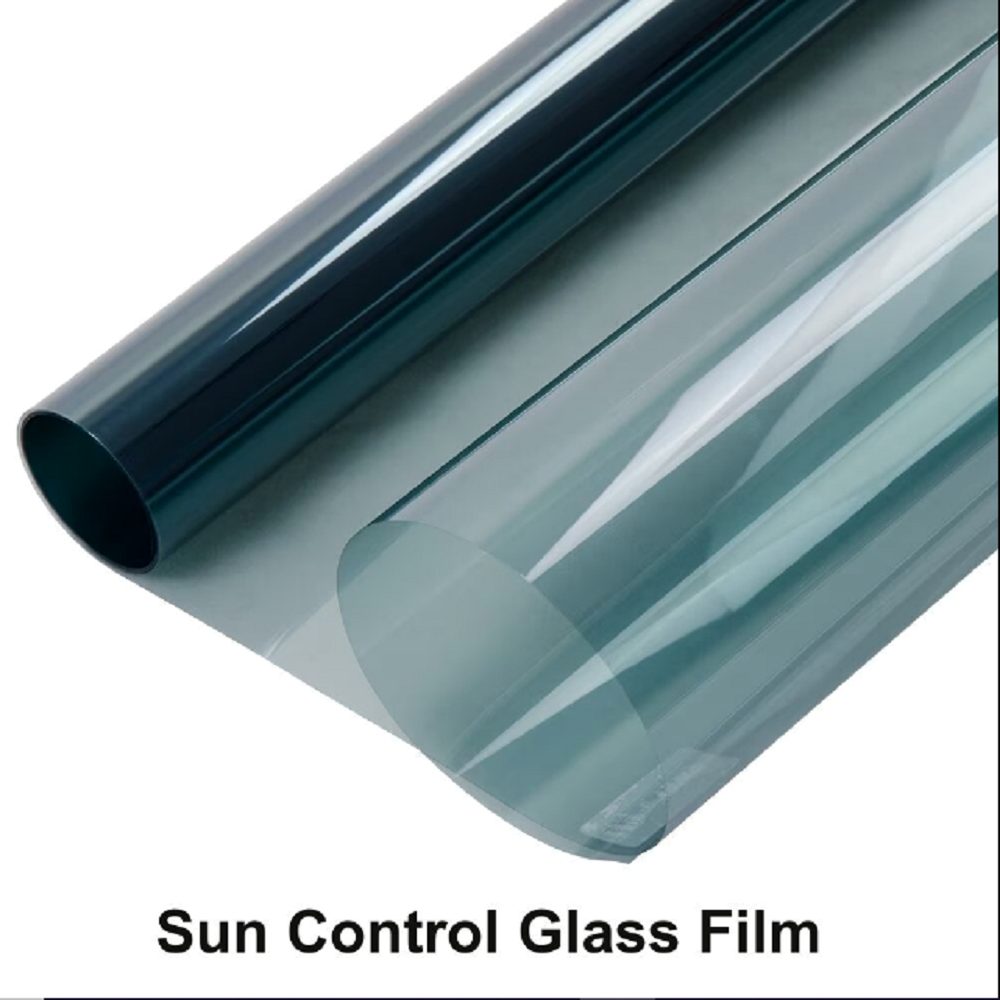
Sun Control & Solar Films

Sun Control & Solar Films

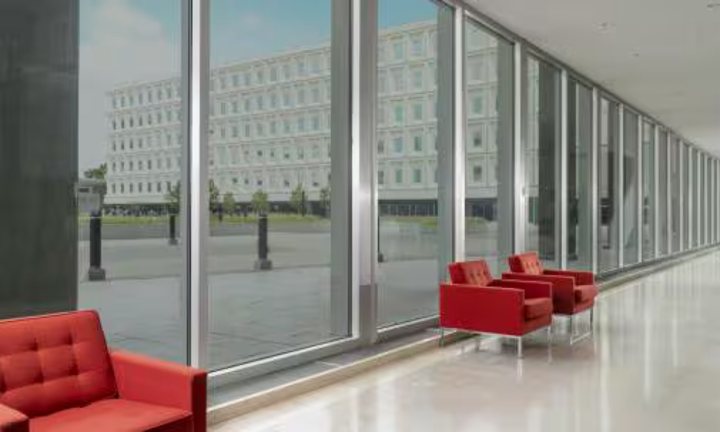
Reject a significant proportion of solar heat while retaining daylight. Ranges run from near-clear spectrally selective films through to more strongly tinted and reflective constructions, so appearance and performance can be balanced to the façade.

Safety & Security Films

Safety & Security Films

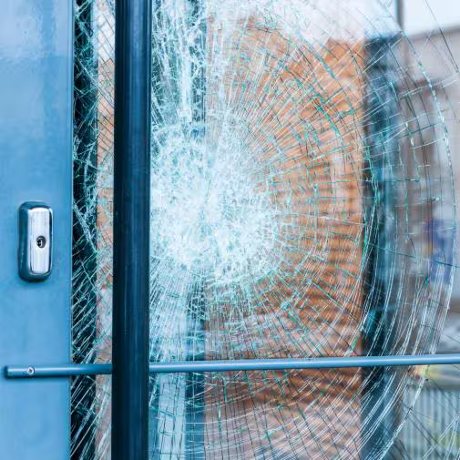
Thicker constructions with strong tear resistance that hold shattered glass in place. Used against smash-and-grab, storm damage, seismic events and blast, and to bring older glazing closer to modern safety expectations.

Combined Sun Control + Safety

Combined Sun Control + Safety

Single-product solution where both heat rejection and glass retention are required — common on ground-floor retail and street-facing corporate glazing.

Decorative & Privacy Films

Decorative & Privacy Films

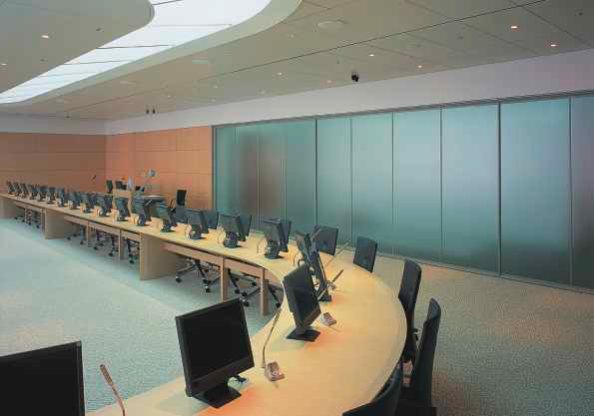
Frosted, patterned and gradient films that create privacy and visual interest in glazed partitions without the cost or lead time of etched or laminated glass.

Whiteboard, Projection & Post-it® Dry Erase Films

Whiteboard, Projection & Post-it® Dry Erase Films

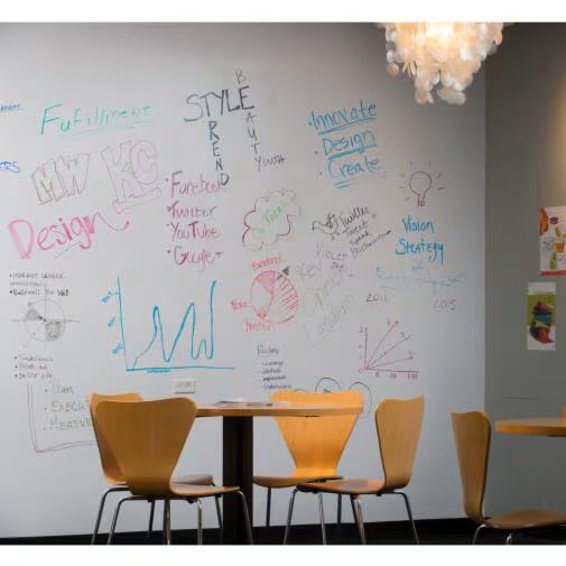
3M™ Whiteboard and projection films, plus the Post-it® Dry Erase Surface — turn glazed partitions, walls and doors into writable, erasable surfaces for meeting rooms and collaboration zones. The Post-it® surface installs in minutes with no wall preparation.

The Commercial Case

Two Different Problems, One Product Family

Solar control film and safety film do fundamentally different jobs. Many buildings need both, and some films do both — but the specification starts with which problem you are solving.

Heat

Air-conditioning load

Solar gain through glass is a major contributor to cooling load in Indian commercial buildings. Rejecting a large share of that heat at the glass reduces the work the chiller has to do, every hour of every cooling day.

Glare

Occupant comfort

Glare on screens near a glazed façade drives people to close blinds permanently — which defeats the daylight the glazing was installed for, and turns the lights on instead.

Impact

Flying glass

In a blast, storm or forced-entry event, the injury usually comes from flying glass rather than the event itself. Safety film holds the fragments to the film, keeping the opening closed.

Fade

Interior damage

Ultraviolet exposure fades furnishings, artwork, timber and merchandise. Films that block the large majority of UV extend the life of everything behind the glass.

Selection Guidance

Specifying Film Properly

Window film is sold on headline percentages, which is where most bad specifications begin. These are the questions that actually determine whether you will be happy with the result.

  • What are you actually trying to fix? Heat, glare, fading, privacy, safety or appearance. They pull in different directions — the film with the highest heat rejection is usually not the one that looks best or keeps the most daylight. Naming the priority first prevents an expensive disappointment.
  • What is the existing glass? Single or double glazed, clear or already tinted, toughened, laminated or annealed, and its condition. Applying certain films to certain glass types can create thermal stress risk, so this has to be checked before quoting rather than after installation.
  • Which façade orientation? West and south-west glazing takes the heaviest afternoon load in most Indian buildings and is usually where film pays back fastest. Treating an entire building uniformly is often not the most economical approach.
  • How will it look from outside? Highly reflective films change the appearance of a façade significantly. In a leased building or a housing society this frequently needs approval, and it is far better to raise it before installation than after.
  • Interior or exterior application? Interior application is standard, protects the film and lasts longer. Exterior films exist for situations where interior access is impossible, but they weather faster and are a compromise.
3M Fasara decorative glass film in a conference room
Applications

Typical Applications by Sector

Where we are most often asked to supply and install across Maharashtra, Goa and the rest of India.

SectorTypical LocationsCommonly Specified
IT Parks & Corporate OfficesCurtain-wall glazing, cabin partitions, meeting roomsSpectrally selective sun control, decorative privacy, whiteboard film
Hotels & ResortsGuest-room glazing, lobby façades, restaurant glassSun control, safety film, decorative and privacy films
HospitalsWard and OPD windows, glazed partitions, entrance glazingSun control, safety film, frosted privacy film
Retail & MallsShopfronts, display glazing, atrium glassSafety and security film, sun control, decorative
Banks & BranchesStreet-facing glazing, ATM lobbies, cabin partitionsSecurity film, attachment systems, privacy film
Residential & VillasWest-facing glazing, balconies, skylights, glass railingsSun control, safety film, decorative
Ekdant Enterprises installation service
How We Work

Supply, or Supply & Install

Most 3M resellers ship material and leave. We survey the site, prepare the surface, install it properly and document what was done — because that is where the customer's risk actually sits.

  • Glass survey and orientation study. We record glass type, thickness, build-up and condition per elevation, and identify which façades justify treatment first.
  • Honest performance discussion. Film performance is a genuine trade-off between heat rejection, daylight and appearance. We show the options rather than steering you to a single product.
  • Thermal stress check. Certain film and glass combinations increase thermal stress risk. We check this before specifying — this is a real failure mode that careless installers ignore.
  • Dust-controlled installation. Film is applied wet and any contamination trapped underneath is permanent. We control the working area, and we work nights and weekends where occupied spaces demand it.
  • Edge detailing and cure period. Correct edge gap, squeegee technique and a clear explanation of the cure period during which slight haze is normal and should not be alarming.
  • Warranty documentation. Genuine 3M product supplied through authorised channel with warranty paperwork intact — which parallel-imported film cannot offer.
Common Questions

Window Films FAQs

How much will window film reduce my air-conditioning cost?

It depends on how much glass you have, its orientation, the existing glazing and how your building is operated — so any supplier quoting a single savings percentage without seeing your building is guessing. What can be said reliably is that solar control film reduces the heat entering through treated glazing, and that west and south-west façades in Indian cities typically show the strongest effect. We survey the glazing and discuss realistic expectations for your specific building rather than quoting a headline number.

Is safety film the same as toughened glass?

No, and the difference matters. Toughened glass is stronger but when it does break it disintegrates completely into fragments. Safety film does not make the glass harder to break — it holds the broken pieces to the film so the pane stays substantially in the opening instead of falling as loose glass. For genuine blast or forced-entry resistance the film must also be anchored to the frame with an attachment system; film alone will simply be pushed out of the frame as a sheet.

Will film make my office dark?

Not necessarily. Spectrally selective films reject a substantial share of solar heat while remaining close to clear, so daylight is largely retained. Darker and more reflective films reject more heat but change both the interior light level and the exterior appearance. This is the central trade-off in film selection and we walk through it with samples rather than a brochure.

Can film be applied to double glazing?

Often yes, but it must be checked first. Certain film types on certain sealed units can raise thermal stress risk or affect the unit's seal warranty. This is exactly the sort of thing that should be established during the survey, not discovered after installation.

How long does window film last?

Interior-applied film in a commercial building has a long service life and 3M provides warranty terms by product and application. Exterior-applied film weathers considerably faster. Service life also depends on installation quality — contamination under the film and poor edge detailing shorten it regardless of the product. We provide the applicable warranty documentation with every installation.

Do you work in occupied buildings?

Yes, routinely. Film is applied from the inside and the work is clean apart from the wetting solution. We work nights and weekends for hotels, hospitals, banks and retail where daytime disruption is not acceptable.

Book a glazing survey

We will record your glass type and orientation, show you film samples against your own glass in your own light, and quote what actually needs treating rather than the whole building.

📞 Call 💬 WhatsApp Get a Quote